Florida Summer Electric Bills Keep Climbing — Home Solar May Help You Take More Control
If your
Florida electric bill jumps every summer, you’re not alone. Between air conditioning, pool pumps, water heaters, appliances, and more time spent at home, summer electricity usage can add up quickly.
For many Florida homeowners, opening a $300, $400, or even higher electric bill raises an important question:
Is there a better way to power my home?
That’s one reason more homeowners are looking at
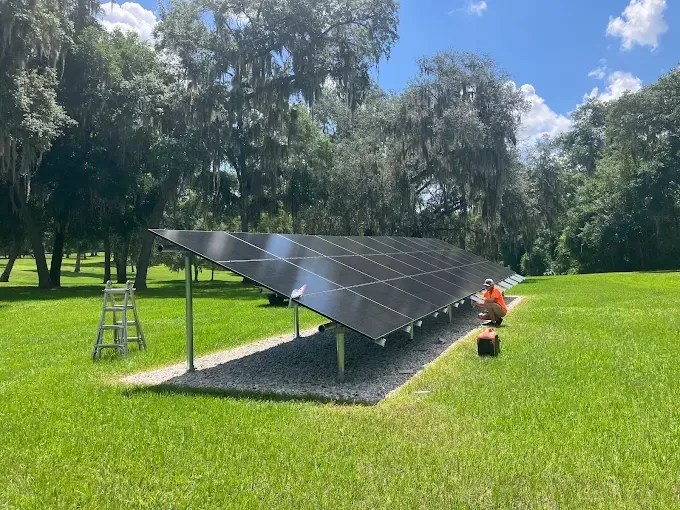
solar panels in Florida as a way to produce electricity at home, reduce dependence on the utility company, and potentially lower long-term electricity costs.
At
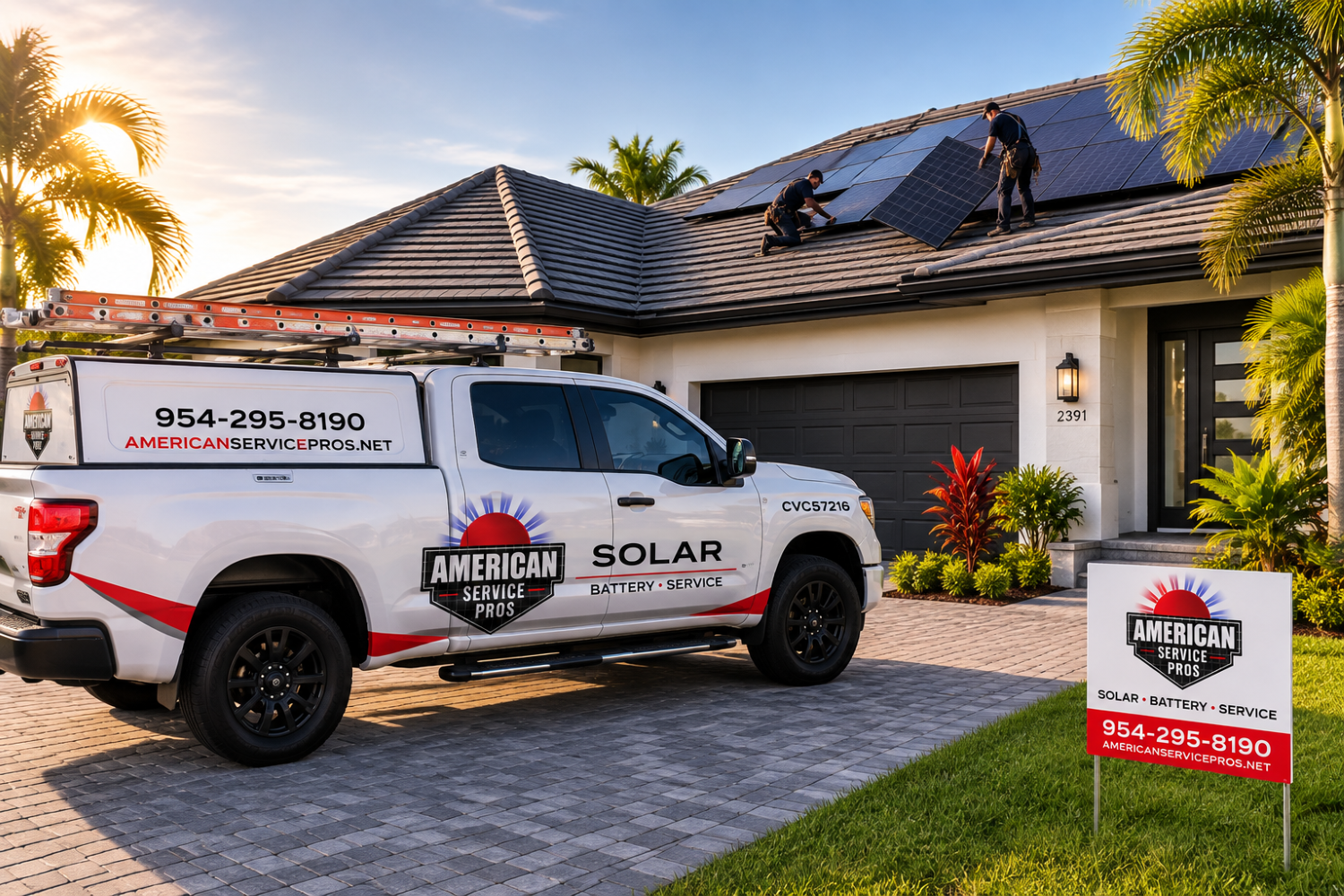
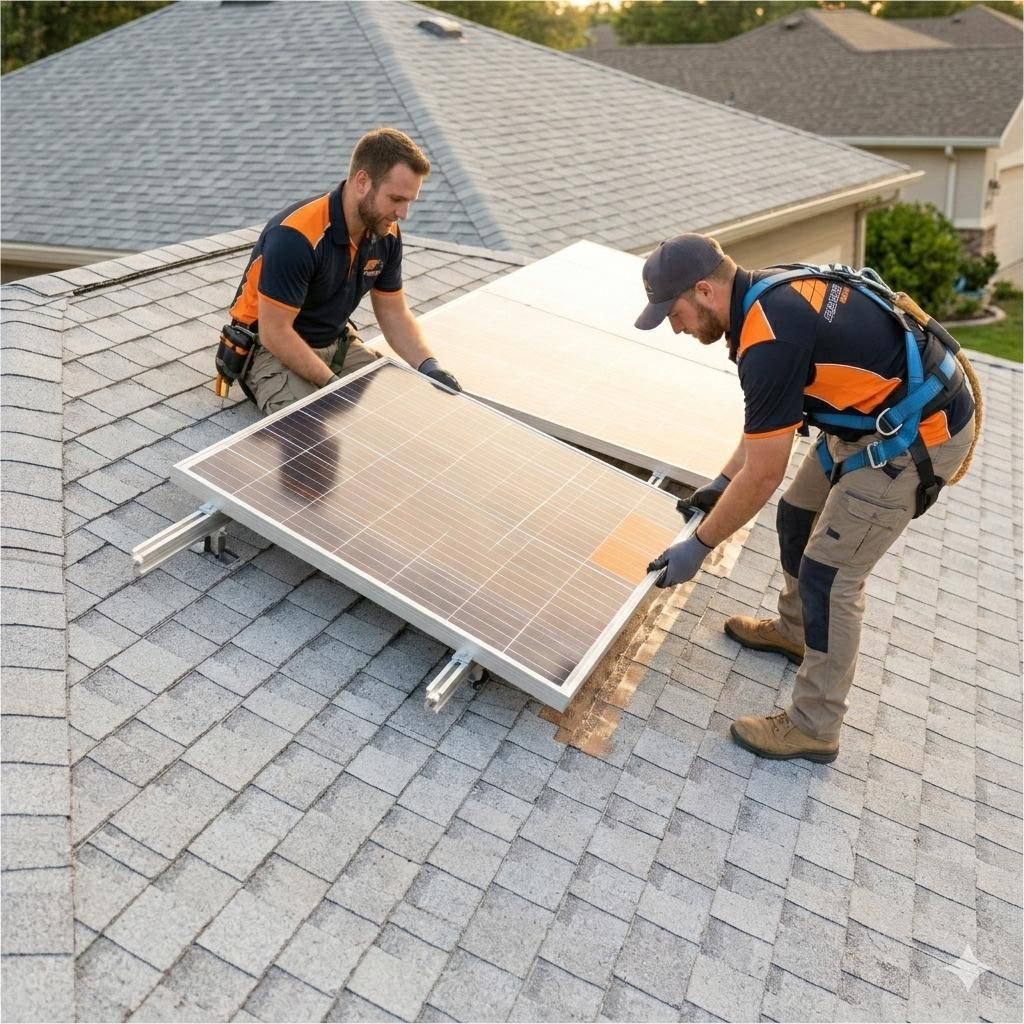
American Service Pros, we design residential solar systems around the home’s actual electricity usage rather than simply trying to put as many panels as possible on the roof.
Why Are Florida Electric Bills So High During the Summer?
Florida summers are tough on air conditioners.
As outdoor temperatures rise, your AC may run significantly longer to maintain a comfortable temperature inside your home. That increased runtime means increased electricity consumption.
Air conditioning isn't the only contributor. A typical Florida household may also be running:
- Pool pumps and pool equipment
- Water heaters
- Refrigerators and freezers
- Washers and dryers
- Kitchen appliances
- TVs, computers, and electronics
- Electric vehicle chargers
- Additional appliances while children are home for summer
Even homeowners who are careful with their electricity usage can still see significantly higher bills during the hottest months.
Can Solar Panels Lower Your Electric Bill in Florida?
A properly designed
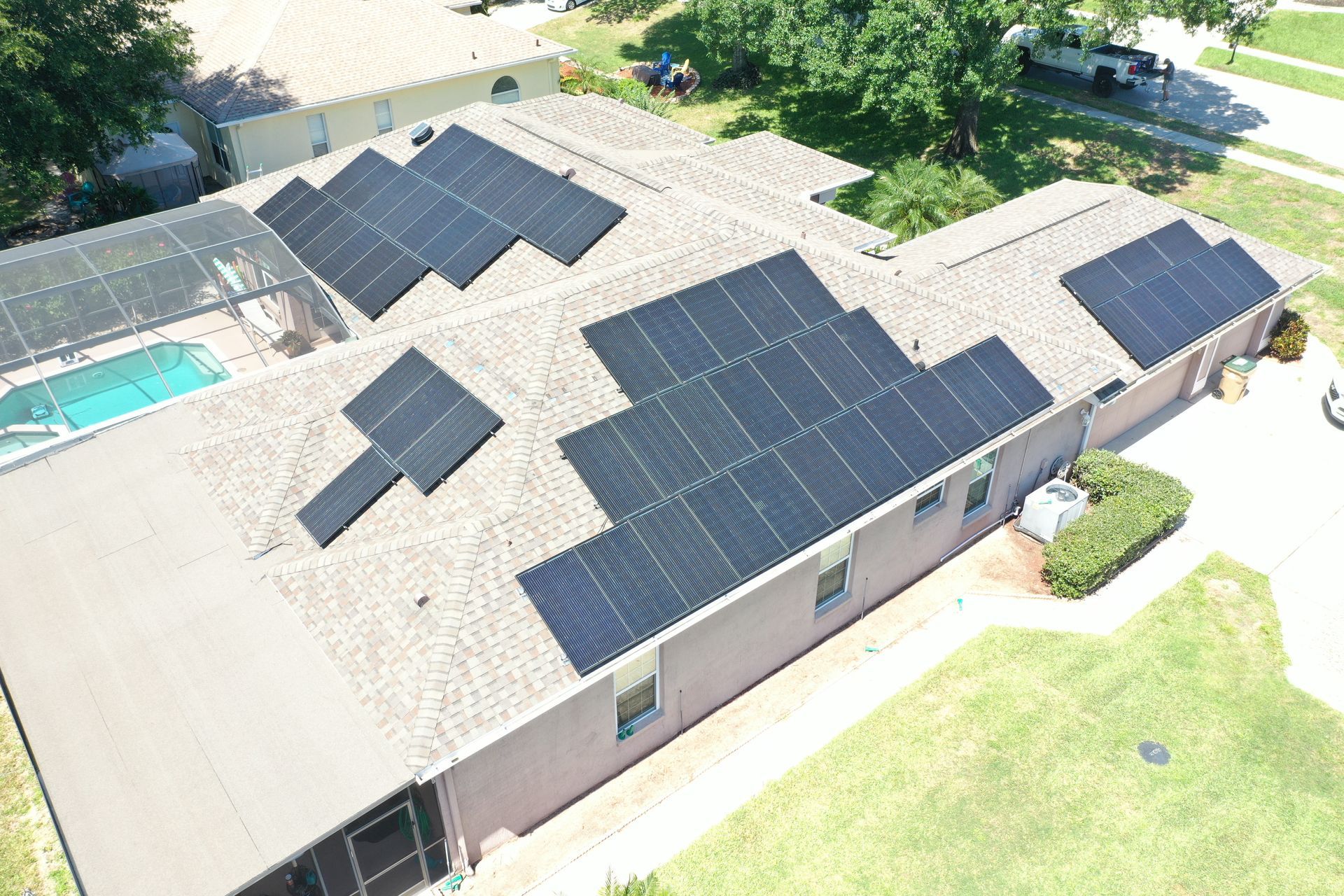
home solar system can reduce the amount of electricity your home needs to purchase from the utility by producing electricity directly from sunlight.
Instead of relying entirely on utility-generated electricity, your solar panels produce power throughout the day.
Florida's abundant sunshine makes solar an option worth evaluating, particularly for homeowners with consistently high electricity usage.
However, solar savings aren't identical for every home.
Your potential savings depend on factors including your electricity consumption, utility company, roof orientation, shading, available roof space, system size, equipment, and applicable utility policies.
That's why a proper solar evaluation should start with your
actual electric bill.
How Much Money Can You Save With Solar in Florida?
There isn't one number that applies to every homeowner.
Someone spending $150 per month on electricity has a very different situation from someone regularly spending $400 or $500 per month.
Rather than promising a specific amount of savings, we look at how much electricity your home actually consumes and how much electricity an appropriately sized solar system is expected to produce.
The important question isn't only:
“How much does solar cost?”
You should also ask:
“How much will I spend on electricity if I don't go solar?”
Electricity is an ongoing household expense. Looking at both numbers gives homeowners a better way to evaluate whether
going solar in Florida makes financial sense.
Why Summer Is a Good Time to Look at Solar
A high summer electric bill gives you a clear picture of just how much electricity your home can consume during Florida's hottest months.
Take a look at your latest bill.
Then compare it with bills from the spring, fall, and winter.
Instead of focusing only on one month, we can evaluate your historical electricity consumption and design a solar system around your home's overall energy needs.
This helps create a more realistic picture of potential
solar energy savings.
How Many Solar Panels Does My Florida Home Need?
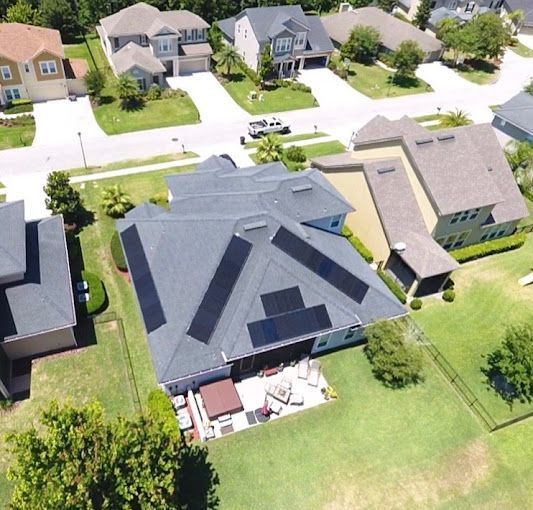
The number of solar panels needed depends primarily on your electricity consumption and the characteristics of your property.
We consider factors such as:
Annual electricity usage: Your previous utility bills help determine how much energy the home consumes.
Roof orientation: Different roof sections receive different amounts of sunlight throughout the day.
Available roof space: Vents, setbacks, roof shape, and other obstacles affect panel placement.
Shading: Trees and surrounding structures can affect solar production.
Solar panel wattage: Higher-output panels may produce more electricity while using less roof space.
A good solar system should be
designed for the individual home, not pulled from a generic package.
What If My Electric Bill Is $300, $400 or $500+ Per Month?
If you're consistently paying hundreds of dollars per month for electricity, it's worth finding out what solar could do for your home.
You're already paying for electricity every month.
The question is whether continuing to purchase virtually all of that electricity from your utility is the best long-term option for your household.
A solar evaluation allows you to compare your current electricity expense against the cost and expected production of a home solar system.
Even if you ultimately decide solar isn't right for you, you'll have real numbers to make that decision.
Will Solar Completely Eliminate My Electric Bill?
Not necessarily, and homeowners should be cautious about anyone who guarantees that without evaluating the property and utility usage.
Most grid-connected solar homeowners will continue to have an account with their electric utility.
Your remaining utility costs depend on your electricity consumption, solar production, system size, utility rate structure, applicable fees, and how electricity is credited by your utility.
At American Service Pros, we'd rather provide
realistic expectations than make promises that sound good during a sales presentation.
Can I Add Battery Backup to My Solar System?
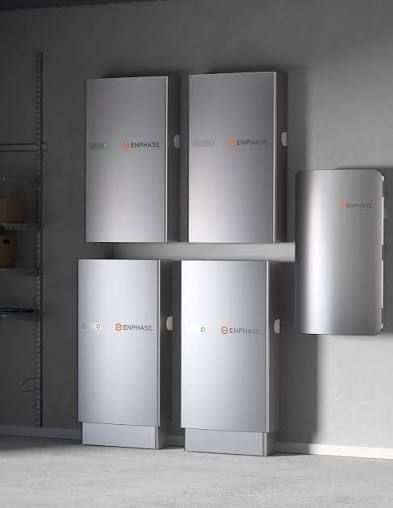
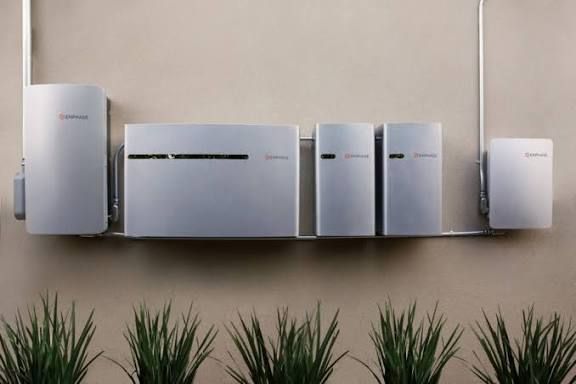
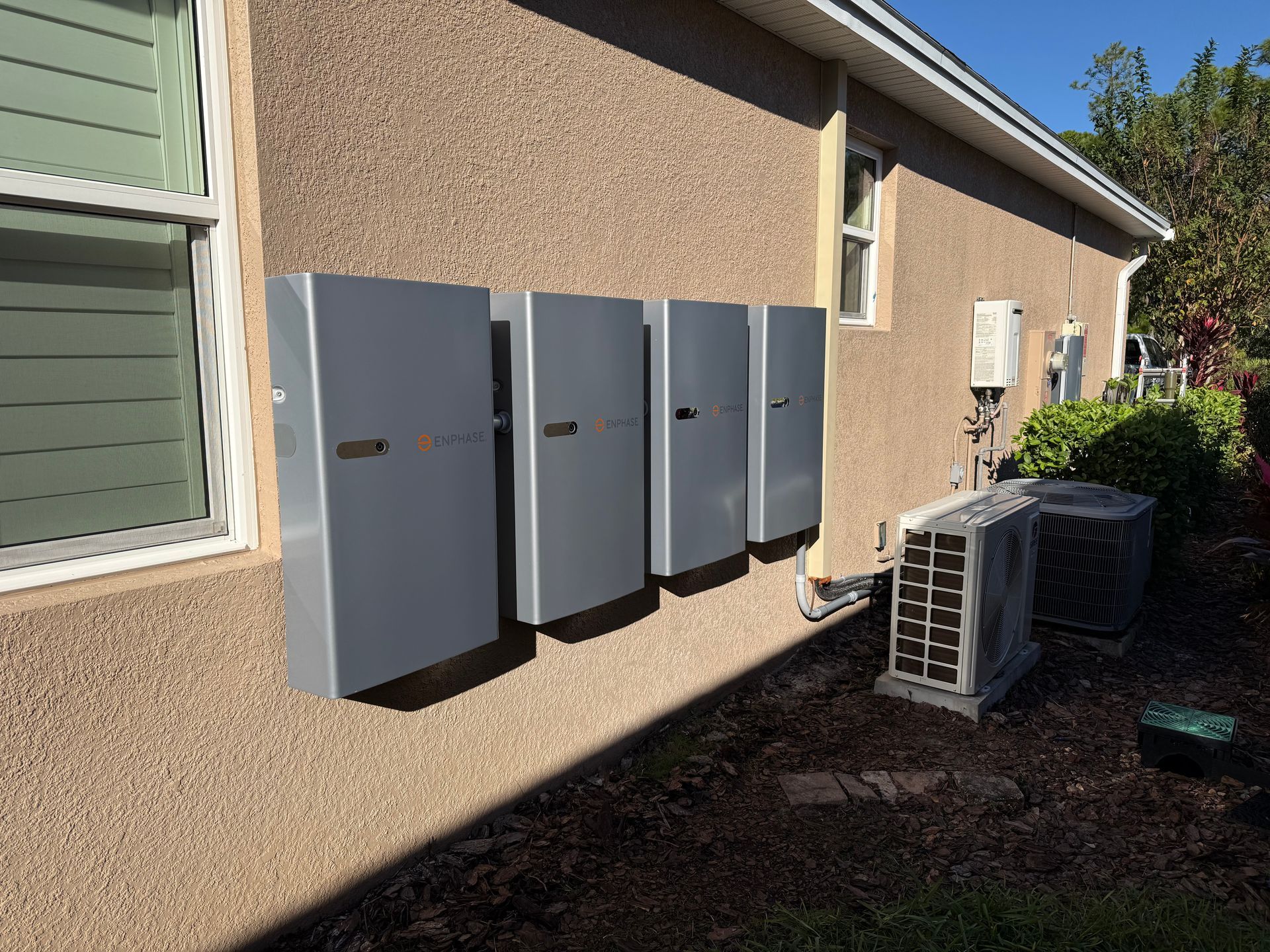
Yes, battery storage can be incorporated into many new solar installations and can also be added to many existing solar systems.
Solar batteries can store energy for later use and, when properly configured, provide backup power during utility outages.
Whether battery storage makes sense depends on your goals, electricity usage, existing equipment, and the amount of backup power you want available.
Is My Florida Home Good for Solar?
Many homes are excellent candidates for solar, but every property needs to be evaluated individually.
A home with good roof exposure, adequate usable space, and high electricity consumption may present a very different opportunity than a heavily shaded property with limited roof area.
That's why the first step doesn't need to be a sales appointment.
Start with your electric bill.
Tired of High Florida Electric Bills? See What Solar Could Do for Your Home
If another high summer electric bill just landed in your mailbox or inbox, this is a good time to find out whether
home solar could save you money.
Send American Service Pros a recent electric bill.
We'll review your electricity usage, look at your home, and show you what a properly designed solar system could look like based on your actual needs.
No cookie-cutter system and no guessing.
Just real numbers so you can decide whether solar makes sense for your home.
American Service Pros Solar & Battery
📞
954-295-8190
Proudly Serving All of Florida